
If you’re just starting your journey with tarot cards, you’ve come to the right place. This guide is designed specifically for beginners who want to learn how to read tarot cards with confidence and accuracy. Whether you’re drawn to tarot for personal insight, spiritual growth, or developing your intuitive abilities as a Psychic, Reiki Master, Shamanic Healer, or Astrologer, these 8 essential steps will help you build a solid foundation. According to a 2023 survey by the American Tarot Association, over 40% of new tarot practitioners report significant improvement in their reading accuracy within the first three months of consistent practice using structured learning methods like those outlined below.
Key Takeaways for Tarot Cards for Beginners
Before diving into the details, here are the essential points every beginner should know:
- Get familiar with the basics of tarot, including the meanings of each card and the structure of the 78-card deck
- Practice daily card draws to build your intuition and deepen your understanding of the cards
- Develop a dedicated sacred space for readings to create a calming environment that enhances your focus
- Use a tarot journal to track your readings, interpretations, and any patterns that emerge over time
- Explore different tarot spreads to find those that resonate with you and suit various questions or situations
- Trust your instincts and interpretations, allowing your personal insights to guide your readings
- Connect with other tarot enthusiasts through classes, workshops, or online forums for shared learning and growth
Understanding Tarot Card Basics for Beginners
Tarot is a powerful tool for divination, self-reflection, and spiritual guidance used by practitioners ranging from casual enthusiasts to professional Psychics and Shamanic Healers. Each card in the deck holds unique meanings and can guide you through various aspects of life. To begin your journey, it’s crucial to familiarize yourself with the basic components of Tarot, including its structure and the different types of cards that make up the deck. With this foundational knowledge, you can build deeper insights into your readings.
What Types of Tarot Decks Are Available?
The world of Tarot decks is vast and diverse. You will encounter various styles and themes, each with unique artwork and symbolism to explore. Here are some common types:
- Traditional Tarot – Classic decks, such as the Rider-Waite, which includes essential archetypes and symbols
- Oracle Cards – Free-form decks with varying themes and flexible interpretations
- Lenormand Cards – Focus on everyday situations and practical readings
- Historical Decks – Vintage decks showcasing tarot’s rich lineage and development
- Themed Decks – Unique art styles reflecting specific interests like fantasy, nature, or spiritual traditions
Selecting a deck that resonates with your intuition can significantly enhance your connection to your readings. Many Reiki Masters and Medicine Drumming practitioners prefer decks with nature-based imagery that aligns with their healing practice.
How Do Tarot Card Meanings and Symbolism Work?
Meanings of Tarot cards vary widely based on context and intuition. Each card features layers of symbolism designed to evoke insights into your queries. Learning these meanings allows you to interpret cards accurately, regardless of position in a spread.
Understanding the symbolism behind each card is essential for accurate readings. Each card carries positive, challenging, and transformative connotations, depending on how you interpret them within your reading. The imagery, colors, and elements present in a card provide additional layers to your interpretation. As you practice, pay attention to how certain symbols resonate with you personally, as this leads to more insightful and meaningful readings. Many professional Astrologers incorporate planetary symbolism from tarot cards into their astrological consultations.
How to Prepare for Your Tarot Reading
Proper preparation significantly impacts the quality of your tarot reading. With a clear mind and an intentional approach, you can create a more meaningful connection with the cards. This preparation sets the stage for a deeper understanding of the insights they provide, allowing you to engage with both your intuition and the messages unfolding before you.
Creating Sacred Space for Tarot Readings
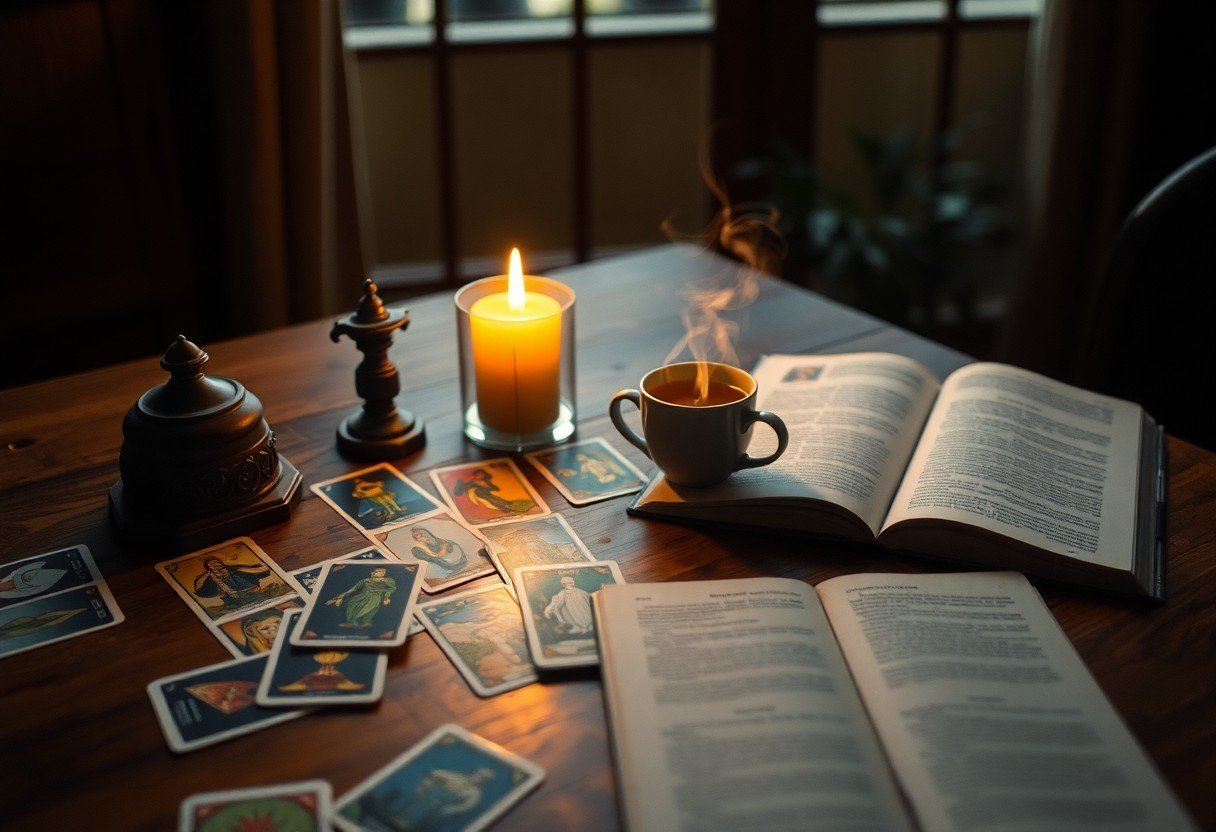
Establishing a sacred space is essential for effective tarot readings. Take a moment to find a quiet area where you feel comfortable and inspired. You might light a candle, burn incense, or play soft music to elevate the atmosphere. Many Shamanic Healers and Reiki Masters incorporate elements like crystals, feathers, or Medicine Drumming to enhance the sacred quality of their reading space. This intentional act helps you focus and aligns your energy with the reading, enhancing the clarity of your insights.
Why Should You Cleanse Your Tarot Deck?
Cleansing your tarot deck is vital for maintaining its energetic purity. This step helps you eliminate any lingering negative energies that may affect your readings, allowing your intuition to flow freely. You can periodically cleanse your cards through methods like smudging with sage, placing them under moonlight, or using crystals to charge them with positive vibrations.
A variety of cleansing techniques can be beneficial for your tarot deck. Smudging with sage is a popular choice, as the smoke is believed to purify and dispel negativity. Placing your deck in the moonlight overnight can recharge your cards, aligning them with lunar energies—a technique many Astrologers prefer during full moon phases. If you prefer using crystals, consider placing your deck on selenite or clear quartz crystal, both known for their purifying properties. Choose a method that resonates with you, as this personal connection enhances your tarot practice.
Essential Tarot Reading Techniques for Beginners
Mastering essential techniques is key for successful tarot reading. These methods not only enhance your skills but also deepen your connection with the cards. Practicing consistently and developing your intuition will result in more insightful readings, allowing you to tap into the wisdom of the tarot. Honing these techniques leads to greater clarity and accuracy, empowering you to provide meaningful guidance for yourself and others.
What Are the Best Shuffling Methods for Tarot Cards?
The way you shuffle your cards can significantly influence your readings. Various techniques, such as overhand shuffling, riffle shuffling, or simply mixing the cards on a flat surface, help to blend the energies within the deck. Many readers prefer to shuffle intuitively, allowing their inner guidance to determine how long to shuffle or when to cut the deck. Your personal connection with the cards is vital, so choose a method that feels comfortable and resonates with your energy.
What Are the Best Tarot Spreads for Beginners?
Starting with simple spreads can greatly benefit your understanding of the cards. Popular spreads like the three-card spread (past, present, future) or the Celtic Cross provide a structured way to interpret the messages the tarot has for you. Utilizing these layouts allows you to focus on specific questions and themes, which enhances your analytical skills.
The three-card spread is perfect for beginners, as it easily represents the past, present, and future or situation, action, and outcome. With the Celtic Cross, you can delve deeper into specific aspects of your life, drawing insights from ten different card positions. By experimenting with various layouts, you’ll discover effective ways to interpret the tarot’s messages, and over time, you will develop greater familiarity with the cards.
How to Develop Your Tarot Intuition
All tarot readers strive to deepen their intuitive abilities, as intuition is the cornerstone of effective readings. By trusting your gut feelings and innate insights, you can unlock deeper meanings in your cards and enhance your connection to the spiritual realm. Developing your intuition takes practice and patience, so embrace the journey of understanding your inner wisdom and let it guide your tarot experiences. Professional Psychics and Reiki Masters often emphasize that intuitive development is a gradual process that strengthens with consistent practice.
How Does Meditation Improve Tarot Reading?
The practice of meditation can significantly improve your intuitive skills, providing you with mental clarity and focus. Set aside a few minutes each day to meditate, allowing your thoughts to settle and your mind to open up. This quiet time helps create a channel for intuitive messages and strengthens your ability to connect with the energies of your tarot cards. Many experienced readers practice brief meditation or grounding exercises before each reading session.
How Do You Connect with Your Tarot Cards?
Establishing a personal connection with your tarot deck is essential for powerful readings. A strong connection with your tarot cards leads to profound insights during your readings. Hold your cards regularly, allowing their energy to flow into you and vice versa.
Consider conducting a ritual before each reading, such as cleansing the deck with sage or simply focusing on your intention for the session. Some Shamanic Healers incorporate Medicine Drumming or breathwork to deepen their connection. The more you interact with your cards, the more your intuition will grow, leading to meaningful experiences during your readings. Building this connection is key to unlocking the many layers of interpretation that each card offers.
Common Tarot Reading Mistakes to Avoid
To improve your Tarot readings, it’s vital to avoid common mistakes that can lead to confusion or misinterpretation. Many beginners overlook the importance of grounding their approach, leading to inaccurate insights. By familiarizing yourself with the fundamentals of Tarot reading, you can enhance your skills and provide more accurate guidance.
What Are Common Tarot Interpretation Errors?
You may sometimes misinterpret card meanings based on personal bias or emotional state. It’s crucial to approach each reading with an open mind, allowing the card’s message to unfold naturally rather than projecting your feelings onto the cards. Professional Psychics recommend taking a moment to center yourself before interpreting any spread.
Why Are Reading Boundaries Important in Tarot?
Establishing clear boundaries during a reading can greatly influence the outcome. You should clarify your intentions and respect the limits of your readings to maintain an ethical practice. This ensures you are not overstepping by offering advice on matters that require professional expertise.
Understanding your reading boundaries helps protect both you and the querent, fostering a safe space for shared insights. By emphasizing ethical practices and understanding personal limitations, you’re more likely to yield positive outcomes. Additionally, ensure you provide guidance without crossing into areas that can cause harm or misguidance, respecting the depth and seriousness of the questions posed. Many established Reiki Masters and Astrologers maintain strict ethical guidelines about the scope of their readings.
Building Your Daily Tarot Practice
Despite initial uncertainties, establishing a consistent tarot practice will greatly enhance your readings and deepen your intuition. By dedicating time to the cards and working with them regularly, you’ll develop a stronger connection and understanding of their messages. Create a routine that suits your lifestyle, whether it’s a weekly ritual or daily engagement, and allow your practice to evolve naturally.
How Do Daily Card Draws Improve Your Tarot Skills?
Any morning can become a meaningful start by drawing a daily card. This simple exercise prompts you to focus on the card’s message and how it may relate to your day ahead. It encourages reflection and sets a tone for your thoughts and actions, solidifying your connection to the tarot. At day’s end, reflect on how the card’s message manifested in your experiences.
Why Should You Keep a Tarot Journal?
Documenting your tarot journey in a journal offers valuable insights and personal growth. By recording your readings, interpretations, and feelings, you build a personalized resource that allows you to track patterns over time, aiding in your development as a reader.
Building a tarot journal serves as a reflection tool that helps you analyze your intuitive responses and understanding of the cards. You might chart your daily draws, note how they corresponded with events, or reflect on your evolving interpretations. Over time, this practice can reveal themes in your life and enhance your ability to connect with the cards. The act of writing also confirms your thoughts and feelings, making it easier to develop your voice as a reader.
Advanced Tarot Reading Tips
Unlike beginner readings, advanced tarot insights can profoundly influence your interpretation. Here are some strategies to refine your skills:
- Trust Your Intuition – Allow your gut feelings to guide your interpretations
- Consider Reversals – Explore the meanings when cards appear upside down
- Ask Specific Questions – Narrowing your focus can lead to clearer insights
- Use Spreads Wisely – Experiment with various layouts for different inquiries
- Document Your Readings – Keep a journal to track your progress over time
How Do You Combine Tarot Cards for Deeper Meaning?
Subtle nuances can emerge when you analyze how cards interact with one another. Look for major themes that arise from combinations and reflect on how their energies play off each other. This synergy often reveals deeper insights into your readings. Many professional Astrologers incorporate planetary associations between cards to uncover additional layers of meaning.
How Does Timing Work in Tarot Readings?
Some tarot practitioners place significant emphasis on timeframes, believing certain cards can indicate timelines related to the questions posed. Understanding the nature of cards can help in determining if an event is near or farther away in the future.
The Major Arcana often signifies significant life events and could indicate longer timelines, while Minor Arcana cards could suggest shorter durations. For example, the Page of Wands may hint at events unfolding within a few weeks, whereas the Wheel of Fortune may point to substantial shifts occurring over several months. Being aware of these visual indicators can enhance your readings, guiding you toward how quickly change may come and helping you manage expectations appropriately.
Final Thoughts on Learning Tarot Cards
Mastering tarot readings involves a blend of intuition, practice, and understanding. By following these 8 steps, you can enhance your readings and forge a deeper connection with the cards. Each step offers an opportunity to refine your skills, allowing you to interpret the messages the tarot conveys more effectively. Whether you’re pursuing tarot as a Psychic, Reiki Master, Shamanic Healer, or simply for personal growth, embrace this journey, cultivate your connection with the cards, and watch as your readings transform into insightful reflections of your own and others’ journeys.
Frequently Asked Questions About Tarot Cards for Beginners
What are tarot cards and how do they work?
Tarot cards are a deck of 78 cards used for divination, self-reflection, and spiritual guidance. Each card has unique imagery, symbolism, and interpretations that work together during a reading to convey messages related to the querent’s inquiry. When drawn, the cards reveal insights about past situations, present circumstances, and potential future outcomes based on current energy patterns.
What do I need to get started with tarot reading?
To start reading tarot, you’ll need a tarot deck that resonates with you, a quiet space for reflection, and a notebook to document your thoughts and readings. It’s also beneficial to familiarize yourself with the meanings of each card and different tarot spreads. Many beginners find the classic Rider-Waite deck ideal
📅 Last updated:
0 Comments