

Last Updated: January 2025
Understanding reversed tarot meanings is essential for anyone serious about developing their tarot reading skills. Whether you’re a complete beginner or a seasoned practitioner, this guide will walk you through 10 powerful steps to confidently interpret reversed cards and deepen your connection with the tarot. According to a 2023 survey by the American Tarot Association, over 78% of professional readers incorporate reversed meanings into their practice, citing more nuanced and accurate readings as the primary benefit. As a Psychic, Reiki Master, Shamanic Healer, and experienced Astrologer, I’ve guided thousands of students through the process of embracing reversed cards as powerful tools for self-discovery and spiritual growth.
Understanding the Fundamentals of Reversed Tarot Cards
For anyone embarking on the journey of tarot reading, grasping the significance of reversed cards is essential. Reversed tarot cards can initially present elements of confusion; however, as you delve deeper into their meanings, you will find they carry layered interpretations that can enrich your readings. Understanding the fundamentals of these reversals involves recognizing their historical significance and how they shift traditional narratives within the tarot’s rich tapestry.
The Historical Evolution of Reversed Card Readings
Cards have been utilized as tools for divination for centuries, with their meanings evolving dramatically over time. Initially, reversed cards were either not included or were deemed to have the same interpretation as their upright counterparts. However, as tarot gained popularity and deeper psychological insights came into play, the notion of reversals developed into a significant aspect of readings, representing the shadow self, hidden aspects, or challenges that one may face. As tarot evolved across different cultures, so did the understanding that reversed cards could indicate opposition, imbalance, or hidden potentials within a situation.
How Reversed Cards Transform Traditional Interpretations
The fundamentals of reversed tarot readings involve recognizing that these cards shift the meaning of their upright positions significantly. Instead of delivering straightforward interpretations, reversals may suggest internal conflicts, delays, or inadequacies that need to be addressed. You must keep in mind that reversed cards often convey a broader emotional depth that unravels the layers of a situation that might otherwise remain unrecognized. The nuanced nature of reversed cards can help you uncover what is being hidden beneath the surface, guiding you toward more profound insights into your readings.
Another key aspect to consider is how reversed cards can highlight personal growth opportunities. For example, a reversed card that typically represents fear can instead indicate an invitation for you to confront that fear, leading to personal development and greater self-awareness. When reading reversals, embrace the idea that they can be vehicles of transformation, pushing you to explore both the challenges and empowering possibilities hidden within each card.
Essential Tools for Reversed Tarot Reading Success
One of the key components to effectively understanding reversed tarot meanings is choosing the right tarot deck and creating an optimal reading environment.
Best Tarot Decks for Learning Reversed Meanings
Reversed cards can sometimes evoke complex emotions and interpretations, which makes it imperative to select a deck that resonates with you. Beginner-friendly decks like the Rider-Waite-Smith or the Light Seer’s Tarot often come highly recommended due to their vibrant imagery and clear symbolism. When you connect with the imagery and themes presented, it will help you grasp the intricacies of reversed meanings more adeptly, making your readings more intuitive. For those just starting, opting for decks that include guidebooks with detailed interpretations can also be advantageous, as they offer valuable insights into the reversed positions of each card.
Creating the Ideal Environment for Tarot Reading
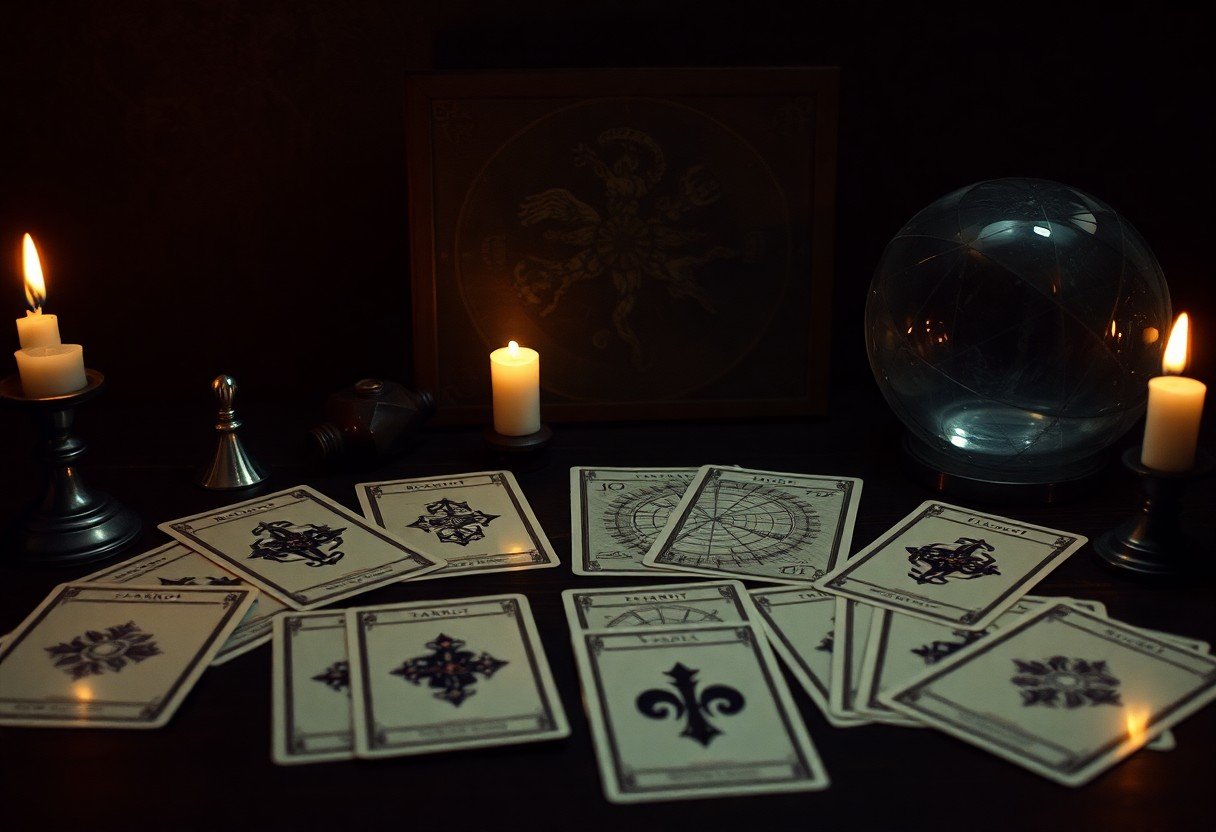
Essential to your tarot reading practice is creating the ideal atmosphere for reflection and focus. To enhance your experience, establish a dedicated space where you feel safe and comfortable. This helps decrease distractions and allows for a clearer mind when interpreting reversed cards. Make sure your environment reflects your personal style; you might consider incorporating elements such as candles, crystals, or soothing music to elevate the mood. As a Shamanic Healer and Medicine Drumming practitioner, I often recommend incorporating sacred elements that resonate with your spiritual practice.
This approach allows you to focus on the nuances and subtle shifts that reversed cards may reveal. Settle into your reading space by dimming lights or burning incense that resonates with you; this tactical preparation signals to your subconscious that it is time to explore the depths of your intuition.
Key Factors That Influence Reversed Tarot Meanings
Not all tarot readings convey the same energy, particularly when it comes to the interpretation of reversed meanings. Context, reader intuition, and card placement are just a few of the elements that can dramatically influence how you understand the messages behind your cards. It’s essential to consider multiple factors, including the question being asked, your current emotional state, relationship dynamics, and surrounding cards in the spread.
Elemental Associations in Upright vs. Reversed Cards
Cards resonate with different elements, and their associations often transform between upright and reversed positions. When upright, cards generally embody a particular elemental energy—for instance, a fire card may signify passion and inspiration. However, when reversed, the same card may suggest a lack of direction or misalignment with one’s inner fire, reflecting a disconnection from that elemental energy. As an Astrologer, I find that understanding these elemental associations allows you to grasp the underlying energies and emotions at play in your reading.
Numerological Considerations for Reversed Card Interpretation
Any tarot practitioner must also consider the powerful influence of numerology on reversed card meanings. Each number carries its unique vibration, which can alter how you interpret a card when reversed. For instance, a card that represents a 2 might signify harmony and partnership when upright, but when reversed, it could evoke themes of imbalance or conflict in relationships. Understanding how the numerological properties of the cards interplay with their positions can reveal complex dynamics and bring both positive and negative insights to light.
The Complete 10-Step Process for Reading Reversed Tarot Cards
Now, as you begin your journey into reading reversed tarot cards, it’s imperative to establish a solid foundation through systematic practice and intuitive development.
Steps 1-5: Preparation and Initial Interpretation
Step 1: Cleanse your tarot deck of unwanted energies to connect more authentically with the cards.
Step 2: Gain clarity on your intention or question at hand to guide your interpretation.
Step 3: Lay out your cards mindfully, noting which ones appear reversed.
Step 4: Take a moment to observe the imagery and symbolism before diving into individual meanings.
Step 5: Explore the reversed meanings through their contrast with the upright interpretations, viewing challenges as opportunities for growth.
Steps 6-10: Deepening Your Understanding and Integration
Step 6: Reflect on how the reversed card resonates with your personal experiences.
Step 7: Consider how the reversals interact dynamically with surrounding cards in your spread.
Step 8: Synthesize the messages you’ve gathered, focusing on underlying themes or lessons.
Step 9: Identify practical steps to address the challenges revealed by reversed cards.
Step 10: Integrate insights into your daily life, using the shadows to illuminate your path forward.
For instance, reflecting on how a reversed card might indicate a struggle with self-doubt or stagnation provides an essential pivot point for personal development. As a Reiki Master, I often guide clients to use these insights as starting points for energy healing work.
Common Pitfalls to Avoid When Interpreting Reversed Cards
Keep in mind that the journey of interpreting reversed tarot cards requires you to maintain clarity and discernment while avoiding common mistakes that can skew your readings.
Misinterpreting Blockages vs. Internalized Energies
There’s a fine line between recognizing when an energy is blocked or simply needs to be processed on a deeper level. A frequent issue arises when readers attribute negativity to reversed cards, viewing them solely as obstacles or bad omens, instead of contemplating how these cards may represent internal landscape and personal growth. The Five of Cups reversed, for instance, encourages you to acknowledge past disappointments, yet it also pushes you toward healing and embracing new opportunities.
Tips for Avoiding Negative Bias in Shadow Readings
While interpreting reversed cards, it’s essential to avoid imposing a negative bias onto the reading. Many readers fall into the trap of viewing reversed cards as inherently unfavorable, which can distort the overall message. A positive outlook can significantly alter how you interpret these experiences, allowing for growth and empowerment. Tips to ensure a balanced perspective include maintaining neutrality when interpreting each card, challenging your assumptions about reversed cards, and looking for positive insights within challenging messages.
Practical Exercises to Develop Your Reversed Reading Skills
Unlike traditional tarot readings that often boast straightforward interpretations, reversed tarot meanings require dedicated practice to master.
Daily Practice Techniques for Beginners
An effective way to develop reversed reading skills involves incorporating simple daily practices into your routine. Start by pulling one tarot card each day, noting its traditional meaning in your journal. Then, flip the card and jot down the reversed interpretation as you perceive it. This exercise helps you familiarize yourself with the duality of each card while building your confidence in interpreting its reversed energy.
Advanced Exercises for Intuitive Reversed Interpretation
To further refine your skills, consider delving into advanced exercises tailored to enhance your intuitive interpretations. One method involves reading entire spreads with the intention of focusing exclusively on the reversed cards. Another approach is to select a reversed card, meditate on it, and write down all the emotions and thoughts that arise, creating a personal narrative around the card’s reversed meaning. As a Psychic practitioner, I’ve found that combining meditation with tarot study accelerates intuitive development significantly.
Final Thoughts on Mastering Reversed Tarot Meanings
As you delve into the world of reversed tarot meanings, you are unlocking a deeper layer of insight that can significantly enhance your readings. By taking the time to understand the nuances associated with each card in its reversed position, you are giving yourself the tools to interpret complex situations more effectively. With your newfound knowledge, you can navigate the shadows of the tarot, allowing for more profound personal growth and a better understanding of the challenges you face.
As you apply the 10 key steps outlined, each reading will be an opportunity to expand your intuitive skills and deepen your connection to the tarot. With practice and patience, you will find that reversed cards are not to be feared but embraced as powerful guides in your tarot journey.
Frequently Asked Questions About Reversed Tarot Meanings
What is the main purpose of learning reversed tarot meanings?
The main purpose of understanding reversed tarot meanings is to gain a comprehensive interpretation of your readings by exploring the hidden challenges, blockages, and lessons that upright cards may not fully reveal. Reversed cards often indicate internal struggles, delays, or areas requiring deeper self-reflection, providing a more complete picture of any situation.
How do reversed tarot cards differ from upright tarot cards?
Reversed tarot cards often indicate the opposite of their upright meanings or highlight areas of blockage, internal conflict, and shadow work that need attention. While upright cards typically represent the card’s energy flowing freely, reversed positions suggest that energy may be blocked, internalized, or manifesting in unexpected ways.
Are reversed tarot cards always negative in meaning?
No, reversed tarot cards are not always negative—this is one of the most common misconceptions in tarot reading. Reversed cards can indicate positive developments such as the release of blocked energy, internal reflection leading to growth, or the completion of a challenging cycle. The key is to interpret them within the context of your specific reading and question.
Can beginners learn to read reversed tarot cards effectively?
Absolutely, beginners can learn to read reversed tarot cards effectively with consistent practice and the right guidance. Starting with a beginner-friendly deck like the Rider-Waite-Smith, practicing daily single-card pulls, and keeping a tarot journal are all excellent ways to build confidence and skill with reversed interpretations.
What is the best tarot deck for learning reversed meanings?
The Rider-Waite-Smith deck is widely considered the best tarot deck for learning reversed meanings due to its clear symbolism and extensive guidebook resources available. Other excellent options include the Light Seer’s Tarot and the Modern Witch Tarot, which offer contemporary imagery while maintaining traditional symbolic foundations.
How can I practice interpreting reversed tarot cards daily?
You can practice interpreting reversed tarot cards daily by pulling one card each morning, journaling both its upright and reversed meanings, and reflecting on how the reversed interpretation applies to your current life circumstances. Over time, this consistent practice builds intuitive recognition and deeper understanding of each card’s shadow aspects.
Should I always include reversed cards in my tarot readings?
Whether to include reversed cards in your readings is a personal choice that depends on your reading style and comfort level. Many professional readers, including myself as a Psychic and Tarot practitioner, recommend incorporating reversals because they add depth and nuance to interpretations, though some readers prefer to work exclusively with upright cards and still achieve meaningful results.
📅 Last updated:
0 Comments