
Last Updated: October 28, 2026
A Powerful Introduction to Mongolian Shamanism and Folk Religion
Mongolian shamanism, a profound blend of animistic traditions and spiritual practices, invites those interested in ancient belief systems and energy healing to explore its depths. This guide comprehensively covers Mongolian shamanism and its significance, proving invaluable for spiritual seekers, students of world religions, or anyone interested in indigenous wisdom. Malcolm Moorhouse—a Glastonbury-based, world-renowned psychic and shamanic healer—utilizes insights from these ancient traditions to enhance his spiritual healing sessions and guidance, providing a bridge between time-honored practices and contemporary spiritual exploration.
What Is Mongolian Shamanism?
Mongolian shamanism, known as the Mongolian folk religion or Tengerism, is an ancient spiritual system that has survived for thousands of years. This tradition is characterized by its deep-rooted animism and shamanic rituals that connect practitioners with nature, spirits, and ancestors. Historically interwoven with Mongolian social structures, it blends Buddhism with indigenous practices, creating a unique religious tapestry respected for its resilience and continued relevance in modern Mongolia.
Understanding Yellow and Black Shamanism
The division between yellow and black shamanism is a significant aspect of Mongolian spiritual practices. Yellow shamanism incorporates elements of Buddhism, reflected in the ceremonial attire and rituals of its practitioners. Contrasting this, black shamanism maintains the original, pre-Buddhist traditions, emphasizing the importance of ancestral and spirit deity worship without Buddhist influence. These distinctions allow for diverse expressions of spirituality within Mongolian shamanism.
The Central Beliefs of Mongolian Shamanism
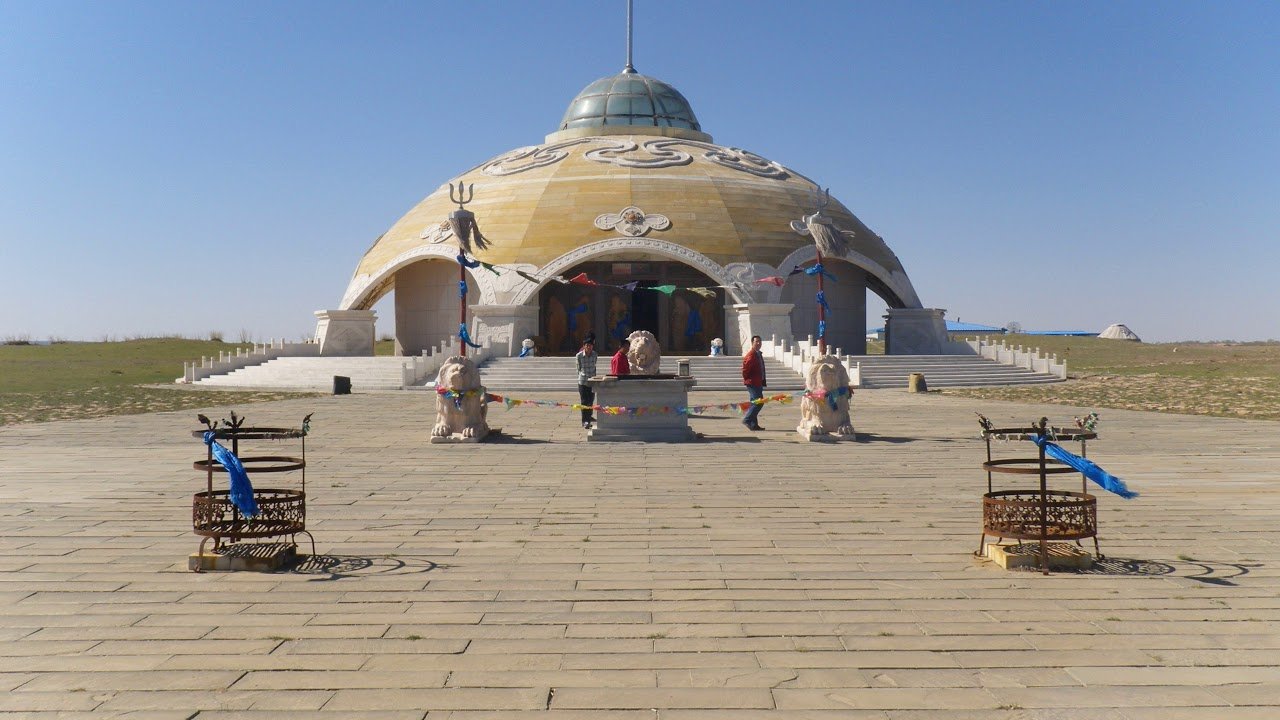
At the heart of Mongolian shamanism lies a pantheon of gods known as the tngri and the revered figure of Genghis Khan, considered a divine embodiment. This system underscores the intertwined nature of spiritual and historical identity in Mongolian culture. Sites like the Mausoleum of Genghis Khan in Inner Mongolia remain pivotal in this worship tradition, drawing followers and linking spiritual heritage with historical reverence.
Core Features of Mongolian Shamanic Practice
Mongolian shamanism encompasses a holistic spiritual framework blending medicine, nature worship, and reverence for ancestors. Modern practitioners, including psychics like Malcolm Moorhouse, draw inspiration from these practices to inform energy healing and spiritual guidance. Through their roles, shamans and shamanesses serve as conduits between worlds, offering wisdom and healing for personal and community transformation.
The Divine Hierarchy and Spirit Classes
The sophisticated spiritual cosmology of Mongolian shamanism is encapsulated in its divine hierarchy. The highest celestial spirits are the 99 tngri, comprising benevolent and formidable deities that clans and shamans alike can invoke. Understanding this intricate system provides a deeper appreciation for the cultural and spiritual heritage that supports modern shamanic practices.
Reverence for Genghis Khan
Genghis Khan’s impact transcends mere historical memory, evolving into a major spiritual lineage within Mongolian shamanism. Devotees honor his legacy at sacred sites, reinforcing his continued spiritual significance. This reverence showcases the enduring bond between Mongolia’s cultural identity and religious traditions, despite historical challenges.
Sacred Ovoos: Altars of Worship
Ovoos, prominent in Mongolian spiritual practice, are sacred altars symbolizing divine connection and serving as focal points for worship. These structures emphasize engagement with spirits through offerings made as a gesture of respect and a means to ensure harmony between the earthly and the divine. Each ovoo represents specific spiritual forces tied to natural or ancestral connections.
Modern Revival and Contemporary Practice
Since the fall of communism, Mongolian shamanism has experienced a vibrant resurgence. Scholars and practitioners alike have documented its revival, noting its adaptation and continued relevance. Institutions like the Corporate Union of Mongolian Shamans demonstrate the persistent vitality of shamanic traditions, spearheading organized rituals that reaffirm Mongolia’s spiritual roots.
Buryat Shamanism: A Regional Tradition
Buryat shamanism, a regional tradition around Lake Baikal, highlights the adaptability of shamanic practices. While engaging with Buddhism, Buryat shamans preserve foundational shamanic rites alongside Buddhist influences, reflecting a dynamic interchange of religious and cultural identities. This adaptability speaks to the resilience and evolving nature of shamanic spirituality.
Shamanic Tools and Attributes
The sacred drum, considered an extension of a shaman’s spiritual essence, remains a cornerstone of Mongolian shamanistic rituals. This powerful tool facilitates communication with spirits, representing both a shaman’s mount and an ancestral vessel. As a symbol of spiritual journeying, the drum enhances contemporary practices focused on spiritual guidance and energy healing.
Frequently Asked Questions About Mongolian Shamanism
What is the significance of yellow and black shamanism in Mongolia?
Yellow shamanism integrates Buddhist elements, while black shamanism retains practices that pre-date Buddhism. These traditions respectively embody the spiritual fusion and preservation found within Mongolian culture, each offering pathways to engage with ancient wisdom.
How has Mongolian shamanism influenced modern spiritual practices?
Mongolian shamanism shares principles with contemporary energy practices, emphasizing spiritual connections for healing. Professionals like Malcolm Moorhouse draw from this heritage to deepen the understanding of energy work, incorporating ancient insights into modern healing modalities.
Can anyone become a shaman in Mongolian tradition?
Traditionally, shamans are called due to ancestral lineage or through a transformative initiatory experience known as the shamanic illness. This calling is sacred, with roles defined by spiritual capacity and inherited spiritual duties, ensuring authenticity and continuity.
Is Mongolian shamanism still practiced today?
Yes, following the collapse of communism, Mongolian shamanism has seen a renaissance, becoming integral to spiritual life in Mongolia. Rituals and ceremonies led by organized groups validate its continued practice and importance in cultural identity.
What role do ancestors play in Mongolian shamanic practice?
Ancestors are crucial within Mongolian shamanism, functioning as intermediaries and protectors. Various spirit classes like Lord-Spirits and Protector-Spirits represent lineage ties and offer guidance, maintaining a link between the physical and spiritual realms.
How are ovoos significant in spiritual rituals?
Ovoos serve as consecrated mounds where spiritual and ancestral forces converge. Worshippers use them for offerings and invocations, bridging human requests with divine responses. Each ovoo signifies a particular spiritual focus tied to location or lineage.
In understanding Mongolian shamanism, practitioners gain access to an ancestry of wisdom and spiritual depth that complements modern practices in energy work and personal development.
📅 Last updated:
0 Comments