






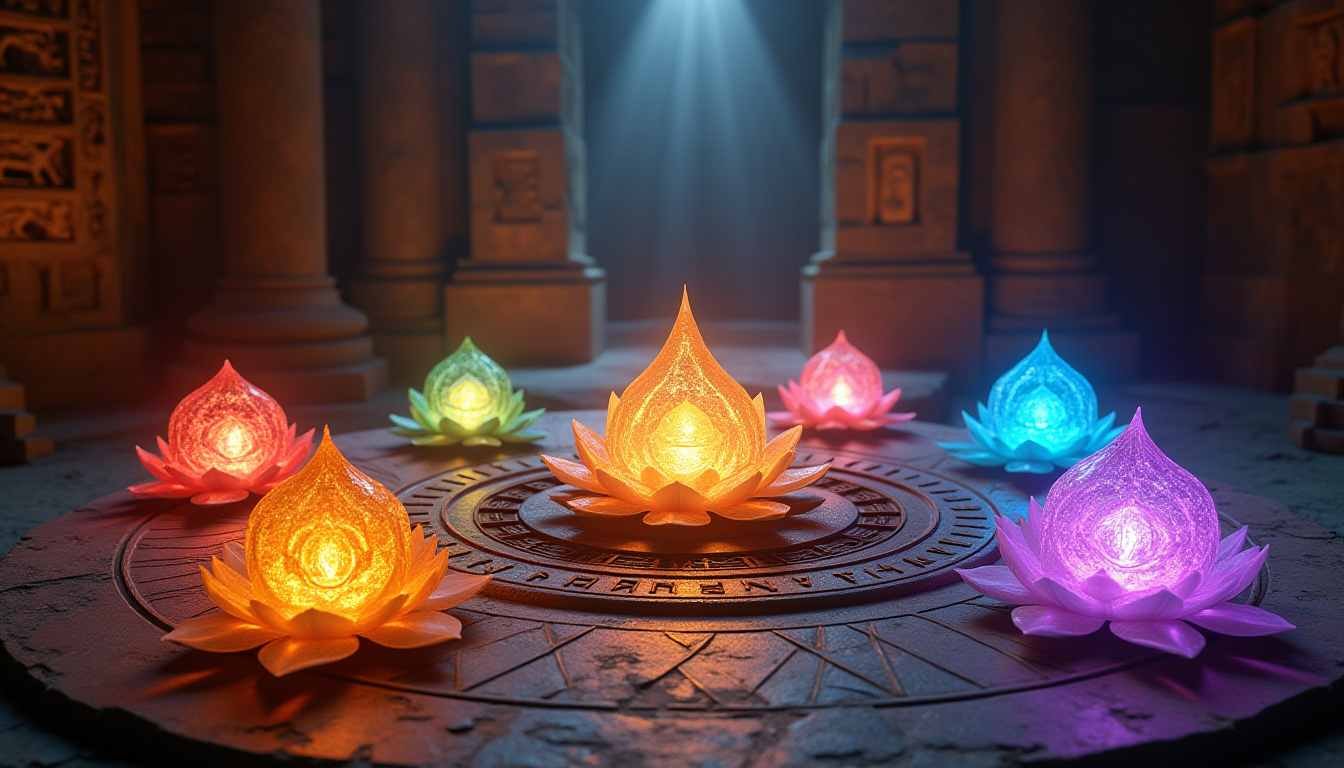
Last Updated: January 2025
Your Complete Guide to Chakra Balancing for Daily Calm and Emotional Wellness
If you’ve been searching for a holistic approach to managing stress, improving emotional balance, or deepening your spiritual practice, chakra balancing offers a time-tested framework that combines ancient wisdom with accessible modern techniques. This comprehensive guide is designed for beginners who are curious about energy work, skeptics who want practical explanations, and anyone seeking natural methods to cultivate daily calm. Whether you’re working with a Psychic, Reiki Master, or exploring on your own, you’ll discover exactly how to identify chakra imbalances and restore energetic harmony using meditation, breathwork, yoga, crystals, essential oils, and sound healing.
According to a 2022 survey by the National Center for Complementary and Integrative Health, approximately 14% of American adults now practice meditation or energy-based wellness techniques, with chakra-focused practices gaining significant popularity as part of the broader mind-body wellness movement.
What Are Chakras and Why Do They Matter for Your Well-Being?
Think of chakras as spinning wheels of energy within your body. The word “chakra” comes from Sanskrit, meaning “wheel” or “disk.” There are seven main energy centers, each linked to different physical, emotional, and spiritual aspects of your being. While it might sound abstract at first, understanding these energy points can provide valuable insight into your overall wellness.
These energy centers run from the base of your spine to the crown of your head. When they’re balanced and flowing freely, you may feel more grounded, confident, and emotionally steady. When they’re blocked or overactive, you might notice things feeling a bit off—whether that’s persistent anxiety, creative blocks, or difficulty communicating clearly.
The Seven Main Chakras Explained
Root Chakra (Muladhara) – Located at the base of your spine, this chakra governs stability and security. When balanced, you feel grounded and supported. When out of alignment, you may experience anxiety, disconnection, or uncertainty about your place in the world.
Sacral Chakra (Svadhisthana) – Positioned just below the navel, this energy center connects to creativity, emotional flow, and sensuality. A balanced sacral chakra creates space for joy, pleasure, and fluid expression. When blocked, you might feel creatively stuck, emotionally numb, or out of touch with your desires.
Solar Plexus Chakra (Manipura) – Located around your stomach area, this chakra connects to personal power and confidence. This is your fire center, where motivation and willpower reside. Imbalances can manifest as self-doubt, procrastination, or digestive issues.
Heart Chakra (Anahata) – Centered in your chest, this is the home of love, compassion, and connection. When open, you feel generous, forgiving, and emotionally available. When closed off, you might struggle with vulnerability or carry emotional weight that’s difficult to release.
Throat Chakra (Vishuddha) – Located at your throat, this chakra governs honest communication and self-expression. A blocked throat chakra can lead to holding things in, fear of speaking up, or feeling misunderstood. When clear, you can express yourself with confidence and clarity.
Third Eye Chakra (Ajna) – Positioned between your eyebrows, this energy center is all about intuition and mental clarity. When balanced, you feel more in tune with your instincts and can trust your gut. An overactive third eye can lead to overthinking or mental fog.
Crown Chakra (Sahasrara) – Located at the top of your head, this chakra connects you to spiritual awareness and higher consciousness. A balanced crown chakra helps you feel deeply connected to life and something greater than yourself.
How to Recognize Signs of Chakra Imbalance
You don’t need to be deeply spiritual to notice when your energy feels off. Chakra imbalances can manifest in various ways—emotionally, physically, or through repetitive thought patterns that keep you stuck.
Root chakra imbalance might look like ongoing anxiety, financial worries, or a deep sense of restlessness and instability.
Sacral chakra issues could show up as lack of creativity, emotional disconnection, relationship difficulties, or feeling cut off from pleasure.
Solar plexus imbalance often appears as imposter syndrome, low energy, constant indecision, or difficulty setting boundaries.
Heart chakra blocks might manifest as holding grudges, feeling lonely even when surrounded by people, or being afraid to open up emotionally.
Throat chakra problems can be as simple as consistently biting your tongue in meetings or experiencing a lump-in-the-throat sensation when you need to speak up.
Third eye imbalances may feel like persistent mental fog, difficulty trusting yourself, or being stuck in over-analysis mode.
Crown chakra disconnection might show up as apathy, cynicism, spiritual emptiness, or feeling like you’re drifting without purpose.
None of these signs mean something is fundamentally wrong with you. They’re simply signals—gentle nudges from your body and energy field that it’s time to tune in and reset.
Effective Chakra Balancing Techniques for Beginners
You don’t need to overhaul your life or invest in expensive equipment to begin chakra work. This practice is deeply personal, and the best part is that you can customize it to fit your lifestyle and preferences.
Meditation and Visualization for Chakra Healing
One of the simplest and most effective ways to work with your chakras is through guided or self-led meditation. Sit quietly, breathe deeply, and visualize each chakra one by one. Picture them as glowing, spinning wheels of light in their specific colors, starting at the root and moving up to the crown.
Spend about five minutes on each chakra, staying longer with any that feel blocked. The goal isn’t to force anything—it’s to notice, observe, and create space for natural healing. Many Psychic practitioners and energy healers recommend this technique as a foundation for all other chakra work.
Breathwork Techniques for Moving Stagnant Energy
Never underestimate the power of intentional breathing. Breathwork brings awareness back into the body and can quickly shift stagnant energy patterns.
Try this simple technique: Inhale slowly through your nose, imagining you’re drawing energy from the earth into your root chakra. As you exhale through your mouth, visualize that energy rising upward—passing through each chakra until it flows out through the top of your head. Repeat several times, adjusting your pace to match your natural breath rhythm.
Yoga Poses for Each Chakra
Yoga and chakra work complement each other beautifully. Each pose can open or support a specific chakra when practiced with intention.
Root chakra: Standing poses like Warrior I or Mountain pose build stability and grounding.
Sacral chakra: Hip openers like Pigeon or Bound Angle release emotional tension stored in the hips.
Solar plexus: Twists and core work, like Boat pose, ignite your inner fire and personal power.
Heart chakra: Camel pose, Cobra, or simple chest openers with arms wide can be deeply releasing.
Throat chakra: Neck stretches, Fish pose, or Lion’s Breath help clear communication blocks.
Third eye: Forward folds and stillness support introspection and intuitive development.
Crown chakra: Meditation poses and Savasana encourage openness and spiritual surrender.
Using Crystals and Colors for Chakra Support
Many practitioners, including Shamanic Healers and Reiki Masters, incorporate crystals and colors to enhance chakra balancing. Think of this as adding another supportive layer to your environment—something that cues your mind and body toward energetic harmony.
Red (Root): Red jasper, hematite for grounding
Orange (Sacral): Carnelian, orange calcite for creativity
Yellow (Solar Plexus): Citrine, tiger’s eye for confidence
Green or pink (Heart): Rose quartz, green aventurine for love
Blue (Throat): Sodalite, blue lace agate for communication
Indigo (Third Eye): Amethyst, lapis lazuli for intuition
Violet or white (Crown): Clear quartz, selenite for spiritual connection
Sound Healing and Mantras for Chakra Activation
Sound is a powerful tool for energy work, and it’s a central component of practices like Medicine Drumming and traditional Shamanic healing. Each chakra has a corresponding mantra that can help activate and balance it.
The traditional seed mantras are: LAM (Root), VAM (Sacral), RAM (Solar Plexus), YAM (Heart), HAM (Throat), OM (Third Eye), and Silence or OM (Crown).
If chanting feels uncomfortable, listening to binaural beats, singing bowls, or Medicine Drumming recordings can also support this work effectively.
Essential Oils and Aromatherapy for Energy Healing
Scent has a direct pathway to the nervous system, making aromatherapy an excellent complement to chakra work.
Root: Patchouli, vetiver, cedarwood
Sacral: Ylang ylang, sweet orange
Solar Plexus: Lemon, ginger, peppermint
Heart: Rose, geranium, bergamot
Throat: Eucalyptus, chamomile
Third Eye: Clary sage, rosemary
Crown: Lavender, frankincense
How to Build a Daily Chakra Balancing Practice
You don’t need elaborate rituals to benefit from chakra balancing. A two-minute check-in during your morning routine or a short breathing practice before bed can create meaningful shifts over time.
Start with a daily scan: close your eyes, breathe deeply, and mentally move from your root to your crown. Ask yourself where energy feels strong and where it might feel stuck. Over time, you’ll notice patterns that guide your focus.
Some people keep a chakra journal to track how each energy center feels throughout the week. This practice can reveal helpful insights—like how stress impacts your throat chakra or how time in nature strengthens your root.
When to Seek Professional Energy Healing Support
Sometimes chakra work opens emotional layers that are deeper than expected. If that happens, you’re not doing anything wrong—it simply means you’re paying attention to what needs healing.
Consider working with a Reiki Master for hands-on energy healing sessions, a Shamanic Healer for deeper spiritual work, or an Astrologer or Tarot reader for additional insight into your energetic patterns. A yoga teacher who specializes in chakra work or a therapist who integrates body-mind techniques can also provide valuable support.
Final Thoughts on Chakra Balancing for Daily Calm
Chakra balancing isn’t about achieving perfection. It’s about building awareness and tending to your energy the same way you’d care for your physical health or emotional well-being.
Some days you’ll feel clear and open. Other days might feel completely off. That’s perfectly normal. This practice is about showing up, noticing, and adjusting gently—not forcing results.
Whether you approach chakra work as spiritual practice, practical wellness tool, or somewhere in between, what matters most is that it feels supportive to you. Let curiosity lead the way, keep it simple, and remember that balance is something you return to, not something you achieve once and maintain forever.
Frequently Asked Questions About Chakra Balancing
How long does it take for chakra balancing to work?
Most people notice subtle shifts in mood and energy within a few sessions, though deeper healing typically requires consistent practice over weeks or months. The timeline varies based on how blocked your chakras are and which techniques resonate most with your body. Many practitioners, including Reiki Masters and energy healers, recommend committing to at least 30 days of regular practice before evaluating results.
Can you balance your chakras by yourself without a professional?
Yes, self-guided chakra balancing through meditation, breathwork, yoga, and other techniques is effective for most people. However, working with a professional Psychic, Reiki Master, or Shamanic Healer can accelerate the process and help address deep-seated blockages that may be difficult to clear alone. Many people combine regular self-practice with occasional professional sessions for optimal results.
What happens when all seven chakras are balanced?
When all chakras are balanced and flowing freely, most people report feeling grounded yet spiritually connected, emotionally stable, mentally clear, and physically energized. You may notice improved relationships, enhanced creativity, greater confidence in decision-making, and an overall sense of calm and well-being. Complete balance is a dynamic state that requires ongoing maintenance rather than a permanent achievement.
Is chakra balancing connected to any religion or do you need spiritual beliefs?
While chakras originated in ancient Hindu and Buddhist traditions, modern chakra balancing is practiced as a secular wellness technique by people of all faiths and those with no religious beliefs. You can approach it purely as a mind-body practice focused on emotional regulation and stress reduction. The techniques work regardless of your spiritual framework or belief system.
How do I know which of my chakras is blocked?
Pay attention to recurring physical symptoms, emotional patterns, and life challenges that correspond to specific chakra locations and functions. For example, chronic throat tension and difficulty speaking up suggest throat chakra blockage, while persistent anxiety and financial stress often point to root chakra imbalance. Working with an experienced Tarot reader, Astrologer, or energy healer can also provide personalized insight into your chakra health.
Can chakra imbalances cause physical health problems?
Many holistic practitioners and some integrative medicine researchers suggest that prolonged chakra imbalances may contribute to physical symptoms in the corresponding body areas. For instance, solar plexus imbalances are often associated with digestive issues, while heart chakra blocks may correlate with respiratory or cardiovascular concerns. However, chakra work should complement rather than replace conventional medical care for physical health conditions.
What is the best time of day to practice chakra balancing?
Morning practice helps set a balanced, intentional tone for the day, while evening sessions can release accumulated stress
📅 Last updated:
0 Comments